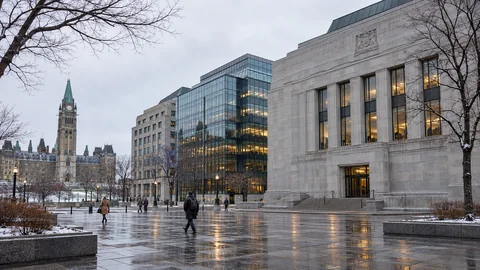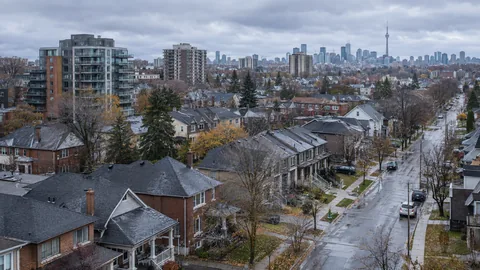
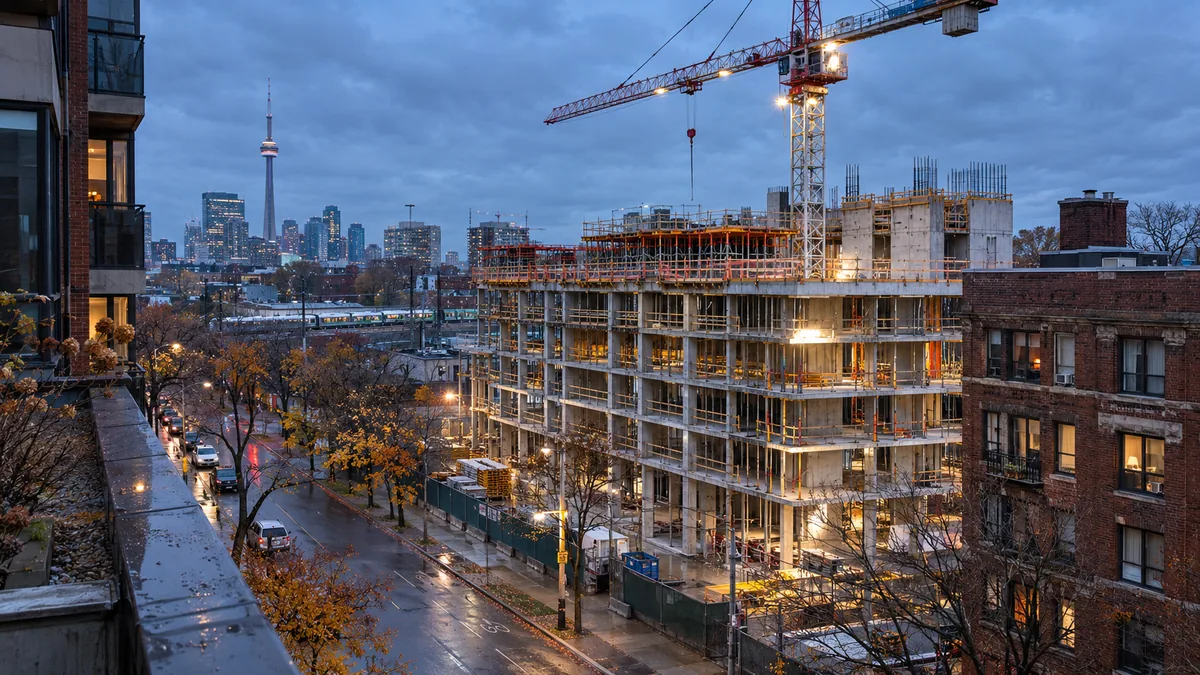
On November 16, 2026, the City of Toronto announced the results of the second phase of its Purpose-Built Rental (PBR) Housing Incentives stream: 19 projects in 12 wards were conditionally selected to build 9,667 rental homes, including 2,059 affordable, rent-controlled homes. The City's news release and the staff report to City Council dated November 16 set out how the program works, what it costs the City and what has to happen before shovels go in the ground. This post explains the announcement, why it matters at a time when Toronto housing starts are falling, and what renters, buyers, investors and small builders can take from it.
- 19 projects conditionally approved in Phase 2, with 9,667 rental homes: 2,059 affordable and 7,608 market rental (51 of the total are required replacement homes).
- 58 applications were received, representing 27,201 proposed rental homes, between August 25 and September 18, 2026.
- Every project must start construction within 12 months to keep the City's support; progress will be formally reviewed in April 2027.
- Estimated value of Phase 2 incentives: $500.8 million, mostly development charge deferrals and property tax relief, not cash grants.
- Phases 1 and 2 together support 34 developments and 16,886 rental homes, including 3,849 affordable homes, according to the staff report.
What Toronto announced on November 16
The PBR stream was created in November 2024 to help private developers build purpose-built rental buildings that include at least 20% affordable, rent-controlled units. The affordable homes must meet the City's income-based definition of affordability and stay affordable for at least 40 years. In exchange, the City offers incentives that improve a project's numbers on paper, which can be the difference between a lender agreeing to finance construction or not.
According to the staff report, the Phase 2 call for applications drew 58 applications across 20 wards. After a review by the Housing Secretariat and the Housing Development Office, 19 projects were selected. None of the 19 is on City-owned land. The City says it prioritized projects that are furthest along in the approvals process and most likely to start construction within the program's timelines, and that the selected projects include 40% family-sized homes and are largely close to existing or planned transit. Ten of the approved projects will also deliver community space such as parkland, recreation space or childcare centres.
The approvals are conditional. The report states that the City is still waiting for a transfer payment agreement with the Province of Ontario under the Development Charges Reduction Program (DCRP), and each proponent still has to meet City requirements and sign the necessary legal agreements. In the Mayor's agenda item dated November 13, 2026, Mayor Olivia Chow described Phase 2 as a way to get shovels in the ground and pointed to the $1.5 billion in provincial and federal funding secured through the DCRP.
How the incentives work: deferrals, not cheques
The staff report is clear that the PBR program "does not provide direct funding contributions to projects." Instead, it reduces or postpones costs that would otherwise be due before or during construction:
- Affordable rental homes receive a waiver of building permit fees and road-disruption (RoDARS) fees, and a full property tax exemption for the duration of affordability, at least 40 years. They also qualify for statutory exemptions from development charges, parkland dedication and community benefits charges under provincial law.
- Market rental homes in the same building receive an indefinite deferral of the development charges that remain after other City discounts, including the DCRP reduction, plus a 15% property tax reduction for 35 years through the City's new multi-residential property tax subclass.
The City's estimate of Phase 2's value is $500.8 million. Per unit, the report puts the affordable-rental package at about $96,497 and the market-rental package at about $40,040, of which $19,644 is the development charge deferral after the DCRP reduction. The release adds that across both phases the City is providing an estimated $894.2 million in incentives.
The DCRP is the larger backdrop. The staff report says that on June 23, 2026, the three orders of government announced a $1.5 billion infrastructure funding commitment for Toronto, which will allow an average reduction in development charges of more than 50%, with discounts of 40% to 60% depending on unit size, for three years (2026 to 2029). That reduction applies broadly, not just to PBR projects, but the City's report notes it still has to be enacted once the provincial agreement is received.
Our interpretation: development charges are paid early in a project, so deferring them reduces the amount of equity and construction financing a builder must line up before revenue arrives. For a rental project, where the payoff comes slowly through rents rather than through condo closings, that timing matters.
Why this is happening now: Toronto construction has dropped sharply
The program is a response to a steep slowdown in Toronto homebuilding. The staff report cites CMHC data showing a 72% decline in the number of homes starting construction in Toronto in the first nine months of 2026 compared with the same period in 2023. It adds that purpose-built rental now makes up 87% of year-to-date housing starts in the city, up from 26% three years ago, as developers pivoted away from condominiums.
The national data released the day after the City's announcement point the same way. In its October 2026 housing starts release on November 17, CMHC reported that the six-month trend in national housing starts fell 1.7% to 246,231 units, and that the trend measure in Toronto fell 10% as both single-detached and multi-unit starts decreased. CMHC's deputy chief economist said the decline in pending starts "should be monitored carefully" and that under-building during the downturn is a risk to future affordability. Our earlier coverage of October housing starts has the national detail.
Phase 1 offers a sense of scale. The City says that as of November 2026, it is supporting 15 Phase 1 developments that will deliver 7,219 rental homes, including 1,787 affordable homes, and that eight of those projects, with 3,365 homes, are under construction. Staff estimate that one in four rental housing starts in Toronto between the first quarter of 2025 and the third quarter of 2026 were supported by Phase 1. The remaining seven Phase 1 projects are expected to start by the end of 2026, and the City says approvals may be revoked for projects that do not progress.
The conditions and risks the City identified
The report does not present the 9,667 homes as a done deal. It lists the factors that will decide whether projects actually start:
- Financing. Staff call securing construction funding and financing "the most important milestone." Proponents are expected to have significantly advanced their financing applications by the end of the first quarter of 2027, and the City will formally review progress in April 2027. The City says it will liaise with CMHC, Build Canada Homes and the Building Ontario Fund to help speed reviews, but obtaining financing remains the developer's responsibility.
- Market conditions. The report names stability in construction costs, development costs and financing rates as success factors. The Bank of Canada raised its policy rate to 2.5% on October 28, 2026, its first increase since 2023 (see our rate decision coverage), which affects the cost of construction loans tied to prime.
- Approvals. Outstanding technical matters still need to be resolved across City divisions before construction can begin.
- The provincial agreement. Phase 2 approvals depend on the DCRP transfer payment agreement with Ontario being executed.
If some projects drop out, the City says it may run a further call for applications in 2027, subject to incentives becoming available.
Who is affected and what it means
Renters
The direct benefit is more rental supply over several years, with roughly one in five of the new homes in Phase 2 set aside as affordable and rent-controlled for at least 40 years. None of these homes will be available immediately; the program's own milestone is a construction start within 12 months, and a building takes longer still to complete. Renters looking for affordable units in these buildings will need to watch for the City's application processes once projects near completion; the City says project information will be posted on the Toronto Housing Data Hub.
Buyers and condo owners
The program does not create ownership housing. Our interpretation: the shift toward rental construction, which the City's own figures show is now the large majority of Toronto starts, means fewer new condo units are being launched, and the pipeline of entry-level ownership units completing in later years will be thinner. For buyers, that is a reason to look closely at resale supply and pricing in the neighbourhoods they are considering, with help from a local real estate professional, rather than assuming new condo supply will keep growing.
Small builders and investors
For developers considering a rental project, the program shows the City's current priorities: projects with at least 20% affordable units, site plan applications already well advanced, a credible path to construction within a year and a complete funding and financing plan. Financing a purpose-built rental usually involves construction loans, often insured or supported through CMHC programs, then a take-out term loan. Readers exploring this kind of project can compare construction lenders and speak with a commercial mortgage broker about how deferred charges and property tax relief change a project's debt coverage. Terms, rates and eligibility vary by lender and program, and nothing here suggests any particular project would be eligible.
Existing homeowners
Homeowners are affected indirectly through the broader DCRP development charge reduction, which the City says still has to be enacted, and through longer-run effects on rents and resale demand. No change to property taxes for existing homes was announced.
What to watch next
- November 24, 2026: Bank of Canada Governor Tiff Macklem is scheduled to speak to the Economic Club of Canada, according to the Bank's events listing.
- December 9, 2026: the Bank of Canada's next scheduled interest rate announcement, which matters for construction financing costs and variable-rate borrowers.
- December 15, 2026: CMHC's November housing starts data, which will show whether Toronto's decline continued.
- End of 2026: the City's deadline for the remaining seven Phase 1 projects to start construction.
- End of Q1 2027 and April 2027: Phase 2 financing milestones and the City's formal progress review.
- The DCRP agreement: watch for the Province of Ontario's transfer payment agreement, which unlocks both the reduced development charge rates and the Phase 2 approvals.
What you can check or do now
- If you rent in Toronto, keep in mind that new affordable units from this program are years away; review your current lease rights and compare the full monthly cost of renting and owning if you are weighing a purchase.
- If you are a small builder or investor, read the eligibility criteria in the staff report before planning around a future call for applications, and ask lenders early how they treat deferred development charges.
- If you are buying a condo or home, ask your agent about local supply trends, recent sales and how many new units are actually under construction nearby.
- Follow official sources rather than headlines: the City's agenda item 2027.CC1.1, CMHC's monthly starts release and the Bank of Canada's announcements.
Sources
- City of Toronto, Toronto moves nearly 10,000 new rental homes closer to construction, including more than 2,000 affordable homes, 2026-11-16. Accessed 2026-11-23.
- City of Toronto, Housing Secretariat, Building New Homes: Results of Phase Two of the Purpose-built Rental Housing Incentives Stream (report for action), 2026-11-16. Accessed 2026-11-23.
- City of Toronto, Mayor's Agenda Item, Building New Homes: Phase Two of the Purpose Built Rental Housing Incentives Stream - Update, 2026-11-13. Accessed 2026-11-23.
- Canada Mortgage and Housing Corporation, Housing starts and construction data for October 2026, 2026-11-17. Accessed 2026-11-23.
- Bank of Canada, Press and upcoming events, accessed 2026-11-23.
This article is general information based on public documents available on November 23, 2026, and is not financial, legal or investment advice. Program terms, approvals and timelines can change. Mortgage Directory does not verify, vet or endorse the professionals listed on the site.