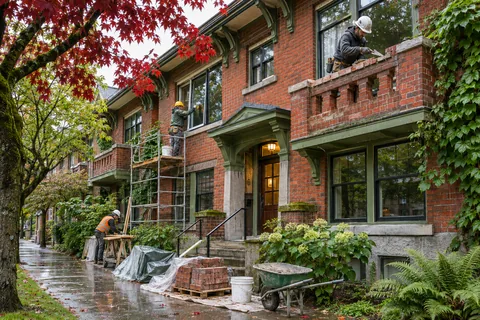
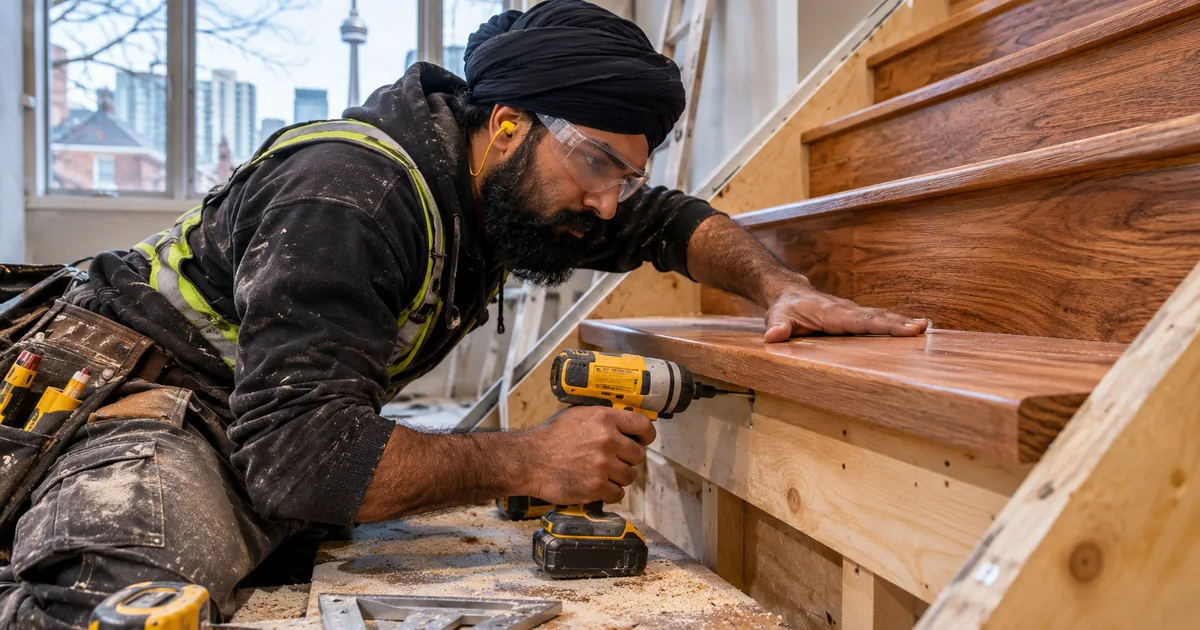
The prices contractors charge for home renovations rose 1.1% in the third quarter of 2026 compared with the second quarter, according to the Residential Renovation Price Index released by Statistics Canada on November 12, 2026. Compared with the third quarter of 2025, the composite index for 15 census metropolitan areas was up 3.1%.
- Composite index (2023=100): 109.3 in Q3 2026, up from 108.1 in Q2 2026 and 106.0 in Q3 2025.
- Largest year-over-year increases: Quebec City (7.8%), Montréal (6.6%), Halifax (6.0%), Regina and Victoria (5.3% each).
- Smallest increases: Vancouver (0.5%), Toronto (2.0%), Calgary (2.2%).
- The index is not seasonally adjusted and excludes sales taxes and design costs.
Percentage changes above are calculated from the index levels in Statistics Canada table 18-10-0286-01; previous quarters may be revised with each release.
What the index measures
The index tracks what renovation contractors charge to complete 37 projects in eight groups, such as kitchen and bathroom remodels, roofing, windows and doors, and heating and air conditioning equipment. Prices include materials, labour, equipment, overhead and profit. Statistics Canada notes that the prices reported by contractors may not match the contracts homeowners finally accept after bidding, so the index shows the direction of costs rather than the price of any one job.
Who is affected
Homeowners planning renovations, buyers using a purchase-plus-improvements mortgage, and owners thinking about a refinance or home equity line of credit to fund a project all face the same cost trend. In the third quarter, renovation prices rose fastest in Quebec and Atlantic markets: Quebec City's index was up 2.2% in a single quarter, while Ottawa (Ontario part) rose 1.9%. In Vancouver, prices were nearly flat over the year.
Our interpretation: a 3.1% annual rise means a project quoted a year ago may cost more today, and the gap is wider in cities such as Quebec City, Montréal and Halifax. Older quotes are worth refreshing before borrowing against them.
What to do next
- Get current written quotes before setting a borrowing amount, and build in a contingency for price changes during the project.
- If a renovation is part of a purchase, ask the lender how quotes, holdbacks and the post-renovation value are handled. The purchase plus improvements calculator can help frame the numbers.
- If the plan is to borrow against equity, estimate available equity first with the home equity calculator, and compare total borrowing costs, not just the rate.
For new-construction costs, see the related coverage of the third-quarter building construction price index.
Sources
- Statistics Canada, Residential Renovation Price Index, third quarter 2026 (The Daily), 2026-11-12. Accessed 2026-11-16.
- Statistics Canada, Table 18-10-0286-01, Residential renovation price indexes, by project (quarterly), 2026-11-12. Accessed 2026-11-16.
This article is general information, not financial advice. Renovation costs vary by project, contractor and location; get written quotes and speak with a qualified professional before borrowing.