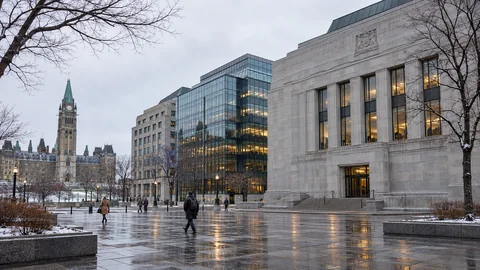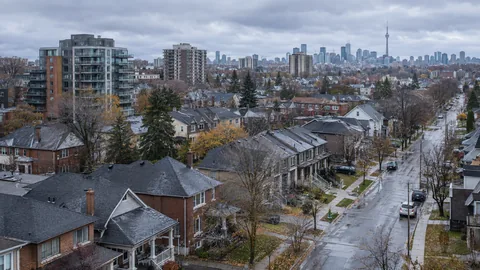
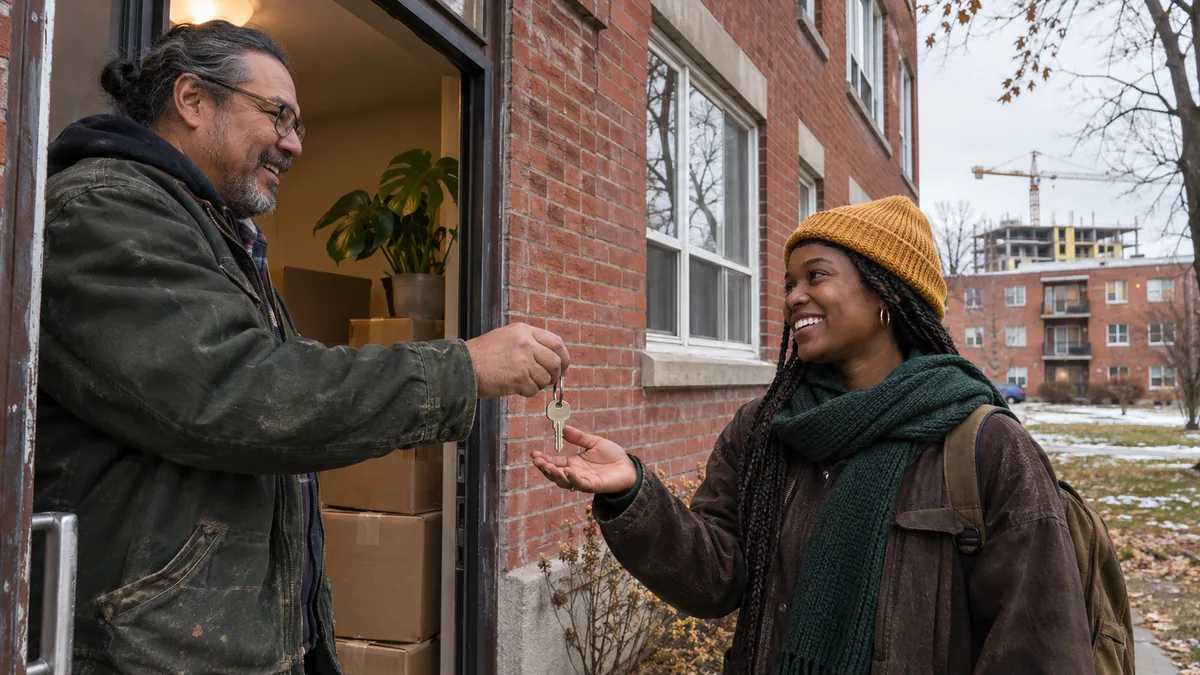
Manitoba's government used its speech from the throne on November 17, 2026 to promise a larger payment for renters, new legislation to strengthen rent control, rent savings for seniors and a stop to the use of AI-generated images in real estate. The speech opened the fourth session of the 43rd Manitoba Legislature. Premier Wab Kinew said details on the initiatives "will be announced in the coming months," so most of the housing measures are commitments, not yet law. This report sets out what was promised, what the rules are today, and what renters, buyers and sellers in Manitoba can check now.
- When: Tuesday, November 17, 2026 (speech from the throne).
- Renters: "a new $675 cheque for renters" next year and "new legislation to strengthen rent control."
- Seniors: rent savings of more than $1,000, according to the speech, with details to come.
- Real estate: a commitment to "put a stop to the use of AI images in real estate."
- Housing supply: more than 500 social and affordable units built over three years, a new partnership with the Manitoba Métis Federation starting with 70 committed homes, and a goal to end chronic homelessness by 2031.
- Rules today: the 2027 rent increase guideline is 3.0%, effective January 1, 2027.
What the throne speech promised on housing
The full text of the speech grouped the housing measures under a pledge to "do more to lower your costs." It said the government is already saving families "hundreds of dollars a month on housing and rent, gas, childcare and more," and that next year "renters will get even more help with a new $675 cheque for renters to help you pay the bills, and new legislation to strengthen rent control." It added that seniors would see more than $1,000 in rent savings, "plus we will put a stop to the use of AI images in real estate."
On supply, the speech said the province has built "over 500 social and affordable housing units" in the last three years "with thousands more under construction." It announced a partnership with the Manitoba Métis Federation to build affordable homes over five years, "starting with the seventy we have already committed to." On homelessness, it said the Your Way Home plan has moved 300 people from encampments into housing, is on track to house 350 people next year, and is backed by what the speech called a "historic $1 billion federal investment." The province's stated goal is to end chronic homelessness by 2031.
Two other items touch household budgets. The government said it will introduce a "mega deduction" for families in its spring budget, with details to come, and legislation requiring stores to display unit prices. Neither has been released in detail.
The $675 renters' payment, in context
The speech did not explain the mechanics of the "$675 cheque," but the figure matches a measure already in Manitoba's 2026 budget. The province's Budget 2026 tax bulletin says the maximum annual Renters Affordability Tax Credit rises to $625 for the 2026 tax year, with a maximum seniors' top-up of $357. For the 2027 tax year, the maximum credit increases to $675 and the seniors' top-up to a maximum of $385.71. The bulletin adds that the government plans to provide advance payments of the credit, with "additional details" to come.
Our interpretation: the "cheque" in the speech appears to describe advance payments of the existing renters' credit at its higher 2027 maximum, rather than a separate new benefit. That reading should be confirmed against the details the province releases. The amounts are maximums; the credit a household actually receives depends on its circumstances, and the CRA administers it through the income tax return.
For a renter paying $1,400 a month, a $675 credit equals about 4% of a year's rent ($16,800). It helps, but it does not change the larger question many renters face about whether and when to buy. The rent-vs-buy calculator can help compare the two paths using local numbers.
Rent control in Manitoba today
The speech promised "new legislation to strengthen rent control" without saying what would change. The current rules are set by the Residential Tenancies Branch (RTB). According to the RTB's guideline page, the 2027 rent increase guideline is 3.0%, effective January 1, 2027. Tenants must receive proper written notice at least three months before an increase, and in most cases rent can be raised only once a year.
The guideline is set by formula. The RTB's calculation page compares the average all-items Consumer Price Index for Manitoba over the 12 months ending June 30 with the 12 months before that. The averages were 167.4 for July 2025 to June 2026 and 162.3 for the prior year. Our arithmetic puts the raw change at about 3.1%, but the regulation requires the guideline to stay within the Bank of Canada's inflation-control range of 1% to 3%, so the published guideline is 3.0%.
Several types of units are exempt from the guideline under the current rules, including units renting for $2,000 or more per month, various types of social housing, government-owned or operated units, units in buildings first occupied after March 2005, not-for-profit life lease units, co-operatives and approved rehabilitated units. Landlords can apply for a larger increase if they show the guideline will not cover their cost increases. The RTB lists an "economic adjustment factor" of 1.9% for 2027.
The RTB has also changed one policy that affects tenants facing above-guideline increases. Its home page says it has discontinued the requirement that tenants pay a proposed above-guideline increase before the Director issues an order.
Our interpretation: the exemptions, especially the one for buildings first occupied after March 2005 and for higher-rent units, are the most likely targets of any "strengthened" rent control, because they cover a large share of newer rental stock. That is a reasonable guess, not a stated plan; the legislation has not been tabled.
AI images in real estate listings
The speech's commitment to "put a stop to the use of AI images in real estate" is one line, and the province has not said whether it would apply to listing photos, virtual staging, renderings of homes not yet built, or advertising more broadly, nor who would enforce it.
Our interpretation: the concern for buyers is a listing photo that shows a home differently from how it is, such as rooms digitally furnished, renovations that do not exist, or views and lot features that have been altered. Until rules are in place, buyers can protect themselves the same way they always have: view the property in person or by live video, ask the listing agent whether any images were edited or generated, rely on an inspection rather than photos, and keep copies of the listing in case a dispute arises. Sellers and their agents should expect new disclosure obligations once the province releases details. A local realtor can explain how current advertising rules apply.
Where Manitoba's housing market stands
The commitments land in a market where new construction in Winnipeg has been running ahead of last year, unlike several larger cities. CMHC's October 2026 housing starts release shows actual starts in the Winnipeg census metropolitan area of 6,056 units from January to October 2026, up 23% from 4,914 a year earlier. The increase came from multi-unit and other non-single-detached homes, which rose 40% to 4,518, while single-detached starts fell 9% to 1,538. In October alone, Winnipeg recorded 674 starts, up 72% from 391 in October 2025.
Nationally the picture is softer. CMHC said the six-month trend in national starts fell 1.7% in October to 246,231 units, driven by declines in Ontario, British Columbia and Atlantic Canada, and year-to-date actual starts in centres of 10,000 or more were down 3%. Earlier coverage of the October starts data has the national detail.
More multi-unit construction in Winnipeg should add rental supply over the next few years as projects finish, which is one factor alongside rent rules in what renters will pay.
Who is affected
- Renters: a higher maximum renters' credit for 2027 and possible advance payments; a 3.0% guideline for covered units in 2027; and possible changes to exemptions once legislation is tabled.
- Senior renters: the seniors' top-up rises to a maximum of $385.71 for 2027 under the budget measure, and the speech promised savings of "more than $1,000" on rent, with details pending.
- Landlords and small investors: any tighter rent control would affect projected rental income, which lenders use when qualifying rental property mortgages. Owners of units now exempt should watch the bill closely.
- Buyers and sellers: new rules on AI images may change how listings are marketed and what must be disclosed.
- First-time buyers: more multi-unit construction in Winnipeg may widen the choice of entry-level condos and townhomes over time.
Political timing may shape the details. According to The Canadian Press, Manitoba's next general election is scheduled for October 5, 2027, which means some measures may be introduced in legislation or the spring budget before then.
What to watch next
- Rent control bill: watch for a bill amending The Residential Tenancies Act during this session, and whether it changes the post-2005 building or $2,000 exemptions.
- Spring 2027 Manitoba budget: expected to set out the family "mega deduction" and confirm how advance renters' credit payments will work.
- AI image rules: watch for a bill or regulation defining what is banned, for whom, and how it will be enforced.
- CMHC November housing starts: CMHC typically publishes monthly starts in mid-December; confirm the date on CMHC's release calendar.
What to check or do now
- Renters: check whether your unit is covered by the guideline (look at the building's first occupancy date and your rent). If you receive a notice above 3.0% for 2027, contact the RTB.
- Renters: file your income tax return on time; the Renters Affordability Tax Credit is claimed through it.
- Buyers: do not rely on listing photos alone. Ask whether images were edited, and keep your own record of the listing.
- Landlords: stress-test your rental income for a lower allowable increase before refinancing or buying another property.
- Everyone dealing with a professional: confirm licences through the licence-check page before signing.
Sources
- Government of Manitoba, 'Stronger Today, Stronger Tomorrow' Speech from the Throne Opens New Legislative Session, 2026-11-17. Accessed 2026-11-22.
- Government of Manitoba, Speech from the Throne 2026, 2026-11-17. Accessed 2026-11-22.
- Manitoba Residential Tenancies Branch, Rent increase guideline set for 2027, 2026. Accessed 2026-11-22.
- Manitoba Residential Tenancies Branch, Calculating the Annual Rent Increase Guideline, 2026. Accessed 2026-11-22.
- Manitoba Residential Tenancies Branch, Change to Above-Guideline Rent Increase Policy, 2026. Accessed 2026-11-22.
- Manitoba Finance, Budget 2026 tax bulletin, 2026-03-24. Accessed 2026-11-22.
- Canada Mortgage and Housing Corporation, Housing starts and construction data for October 2026, 2026-11-17. Accessed 2026-11-22.
General information only, not legal or tax advice. Most measures described are government commitments that are not yet law; confirm current rules with the Residential Tenancies Branch and the CRA.