Self-Employed Mortgage Brampton: How to Qualify in 2026
By Manpreet Singh, mortgage broker in Brampton · November 20, 2026 · 6 min read
Looking for a self-employed mortgage Brampton lenders will consider? Often yes, but they will look at your income differently than they would for a salaried employee. Most lenders focus on the net income shown on your tax returns, not on how much money moves through your business. This guide explains how that works, what to gather and what your options are if your numbers do not tell the full story yet.
Key takeaways
Most lenders want two years of self-employment backed by two Notices of Assessment, but shorter histories and low declared income still have options.
Banks usually qualify you on the net income on your tax return, so write-offs that lower your tax bill can also lower the mortgage you qualify for.
If you are not ready for a bank, alternative and private lenders can bridge the gap, usually at a higher cost.
Gathering your paperwork and checking your numbers months before you shop makes the process far smoother.
Self-employed mortgage Brampton: how lenders see your income
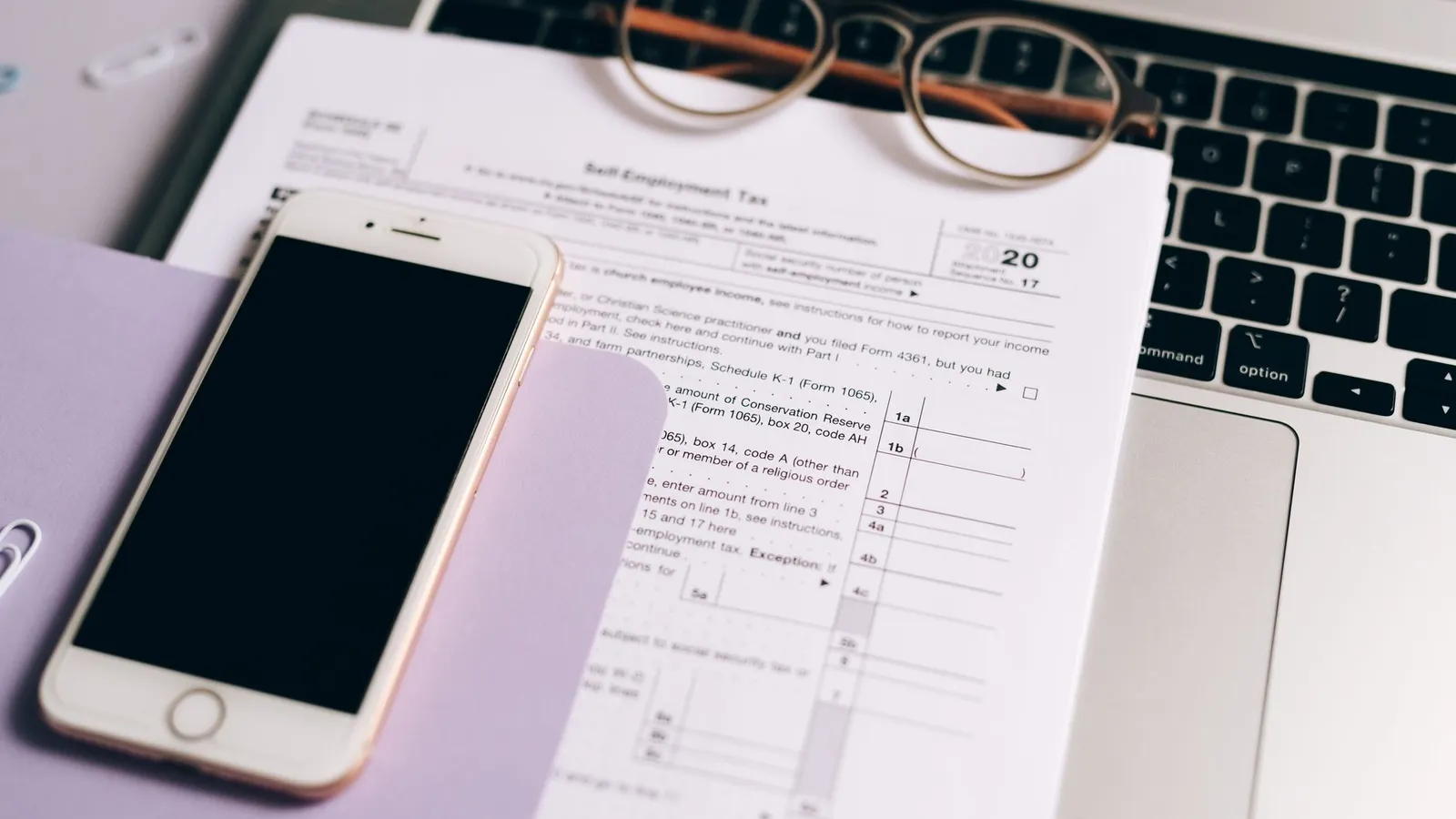
Self-employed borrowers qualify the same way as everyone else: by showing stable income, solid credit and a down payment. The difference is the paperwork. Instead of pay stubs and a letter of employment, you show tax returns and CRA assessments.
Brampton has a lot of owner-operators, from trades and trucking to consultants and small shops, so lenders here see these files often. Mortgage Squad, a brokerage that wrote about the Brampton market, notes that the income funding a household is often not the income on the tax return. That gap is the main reason self-employed files get stuck.
Lenders also care about how your business is set up. Sole proprietors, partners and incorporated owners are each assessed a little differently, so it helps to know which group you fall into before you apply.
How do lenders calculate self-employed income?
The most common method is a two-year average. The lender takes the net income on line 15000 of your T1 General, confirms it against your Notice of Assessment, and averages the two years. LendMax, a Canadian brokerage, describes this as the standard approach for self-employed borrowers.
Write-offs and add-backs
Business owners legitimately claim expenses to reduce their taxable income. That is good for your tax bill, but it can make your income look smaller when a lender runs the numbers. Some lenders will add back certain items, such as depreciation (capital cost allowance) or business-use-of-home expenses, while others will not. Rateshop.ca notes that these add-backs alone can move qualifying income by 20% or more, which is why lender choice matters.
Incorporated owners
If you own a corporation, you may pay yourself through salary, dividends or a mix. Some lenders look at your personal income only, while others will also review the company's financial statements. How you pay yourself can change what a lender sees, so talk it through with your accountant and your broker before you change anything.
The stress test still applies
You also need to pass the mortgage stress test, which means showing you could afford payments at a higher qualifying rate. LendMax describes this as your contract rate plus 2%. You can try the numbers with the Mortgage Stress Test Calculator.
What documents do you need for a self-employed mortgage?
Having your paperwork ready is the single best thing you can do to avoid delays. Brokerages across Canada list a similar core set, including two years of T1 Generals and Notices of Assessment, according to sources such as Lendsimpl and 8twelve Mortgage. Your lender may ask for more or less depending on your situation.
A typical list looks like this:
Two years of complete T1 General tax returns, all pages
Two years of Notices of Assessment from the CRA
Business registration or articles of incorporation
Business financial statements, if you are incorporated
Recent business and personal bank statements
Proof that your income tax and HST/GST are paid up
Proof of where your down payment came from
A letter from your accountant, if the lender asks for one
Taxes owing to the CRA matter a great deal. One broker guide, MyPrivateLender, points out that the CRA can register liens against property, which is why lenders want to see that your taxes are current.
What if you have been self-employed for less than two years?
Two years is the usual standard, but it is not always a hard stop. Several brokerage guides, including Akal Mortgages and Rateshop.ca, say lenders may look at a shorter history if you worked in the same field before going out on your own. A salaried electrician who becomes an incorporated electrician tells a much easier story than someone changing careers entirely.
If you do not fit that pattern yet, you may still have a path. LendMax describes it as often meaning an alternative lender for a short term, then a move once your second Notice of Assessment is in hand. The trade-off is cost, so it is worth planning the exit from the start.
Timing also matters. If you are close to the two-year mark, waiting a few months could open up more lender choice and lower rates. Run the numbers on both options before deciding.
What are your options if your tax return shows low income?
This is the most common problem for business owners. You are earning well, but your write-offs mean the return shows less. You generally have three routes.
1. Prime (A) lenders
These lenders typically offer the best rates and rely on your declared income. If your two-year average supports the mortgage you want, this is usually the first place to look.
2. Alternative (B) lenders
Alternative lenders can be more flexible on income and may accept other proof, such as bank statements. Wowa.ca notes that stated income mortgages come with higher rates and larger down payment requirements. Many borrowers treat this as a bridge and move to a prime lender later.
3. Private mortgages
Private lenders focus mainly on the equity in the property rather than income or credit. This can be a short-term solution, but costs are higher and fees often apply. Before you commit, use the Private Mortgage True Cost Calculator to see the full price over the term.
No option is right for everyone, and approval is never guaranteed. The best choice depends on your income, credit, down payment and how long you plan to hold the mortgage.
How much home can a self-employed buyer afford in Brampton?
Start with your qualifying income, not your gross revenue. Take the two-year average of your net income, then work out what payment fits once your debts and property taxes are counted. The Mortgage Affordability Calculator and the Self-Employed Mortgage Calculator at MortgageDirectory.ca are free, and a good starting point for a rough estimate. You can use the Self-Employed Mortgage Calculator to see how your averaged income may translate into a budget.
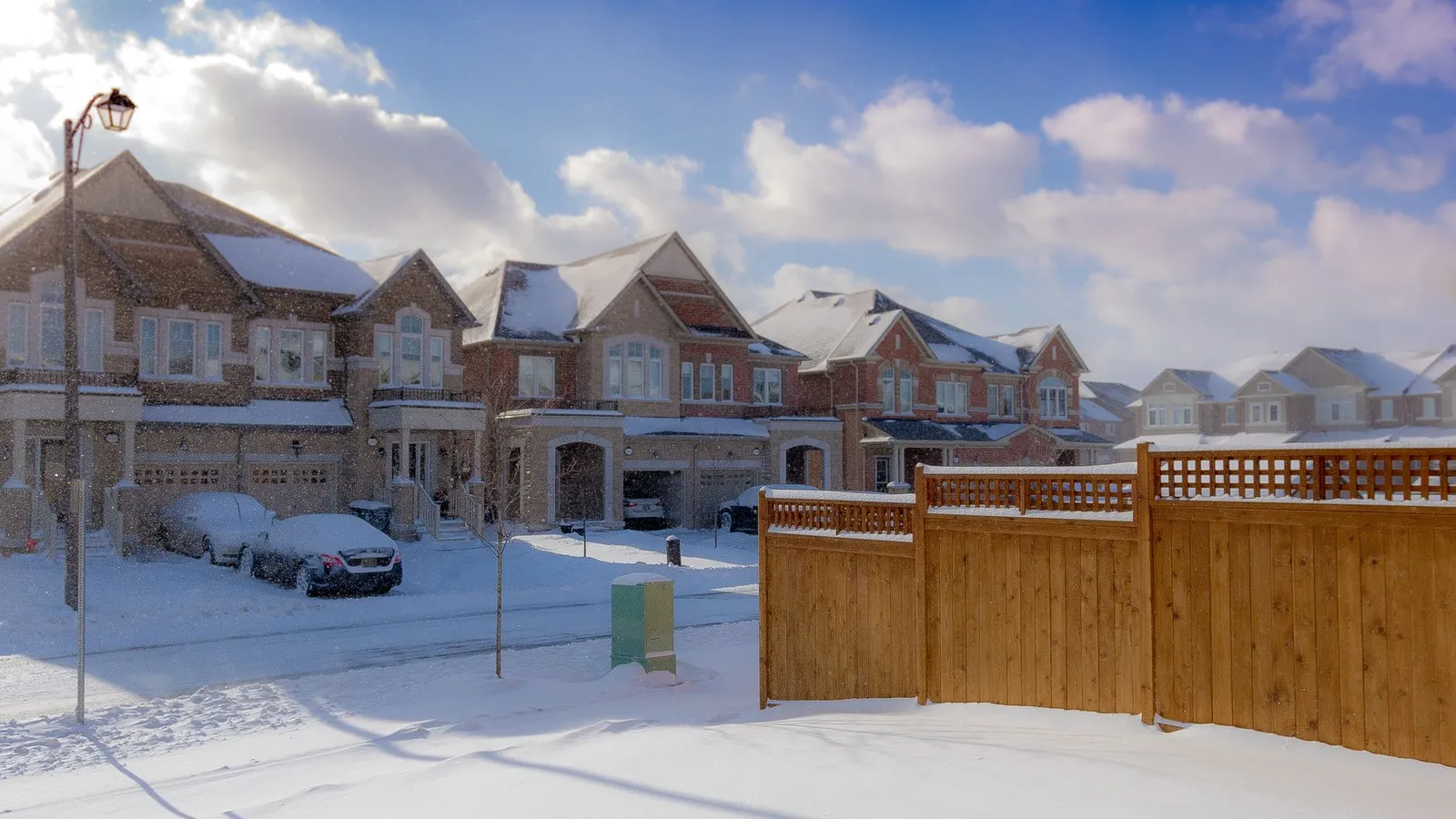
Local prices give you context. Mortgage Squad, citing TRREB Market Watch, reported that Brampton's average selling price was $886,865 in August 2026. Averages mix detached homes, townhouses and condos, so your own target property could be well above or below that.
Do not forget the extra costs: land transfer tax, legal fees, insurance and a cash reserve. Self-employed buyers should also keep personal cash handy, since business income can be uneven in the months after you move.
How to prepare in the next 90 days
A little planning can make a real difference to the options you will have. Here is a simple order of steps.
File and pay. Make sure your returns are filed and any taxes owing are paid, so your Notices of Assessment are clean.
Check your credit. Review your credit report for errors and pay down high card balances where you can.
Talk to your accountant. Ask how your income will look to a lender, and whether any planned changes could affect it.
Separate your money. Keep business and personal accounts apart, and keep your down payment in a traceable account.
Set a realistic budget. Use the numbers lenders will use, including the stress test.
Compare lenders through a broker. Different lenders treat self-employed income differently, so one answer from one bank is not the whole picture.
If you want a local professional to review your situation, you can browse mortgage brokers in Brampton. Manpreet Singh at Mortgage Intelligence works with self-employed buyers, bruised credit, refinances, debt consolidation and private mortgages, and can walk you through your options. You can view Manpreet's profile to get in touch.
Common questions
How long do I need to be self-employed to get a mortgage in Brampton?
Most prime lenders want at least two years of self-employment, backed by two Notices of Assessment. Some will consider a shorter history if you worked in the same field before, and alternative lenders may be an option in the meantime.
Do self-employed borrowers pay higher mortgage rates?
Not always. If you can show enough declared income to meet a prime lender's requirements, your rate may be similar to anyone else's. Stated income and alternative programs usually cost more, so the rate depends on how you qualify.
What is a stated income mortgage?
It is a mortgage where the lender accepts your stated income rather than relying only on what your tax return shows. Wowa.ca notes these generally come with higher rates and larger down payment requirements. They are offered by a smaller group of lenders.
Does being incorporated change how I apply?
It can. Lenders may look at your personal income, your corporate financial statements or both, depending on how you pay yourself. Your accountant and broker can help you understand how your structure will be viewed.
Can I use a private mortgage if my bank says no?
Possibly. Private lenders focus mainly on the equity in the property, but rates and fees are higher and terms are usually short. It is best used as a planned, temporary step with a clear exit.
What documents should I start gathering today?
Begin with your last two years of T1 Generals and Notices of Assessment, your business registration and recent bank statements. If you are incorporated, add your financial statements. Also gather proof of your down payment.
Talk to Manpreet about your next step
Tell Manpreet a little about what you need and get a reply with options that fit you. It is free, and there is no obligation.
This article is general information, not advice for your situation. Rates, rules and programs change; speak with a licensed professional before you decide. Photos provided by Pexels.


 Powered by MortgageDirectory.ca